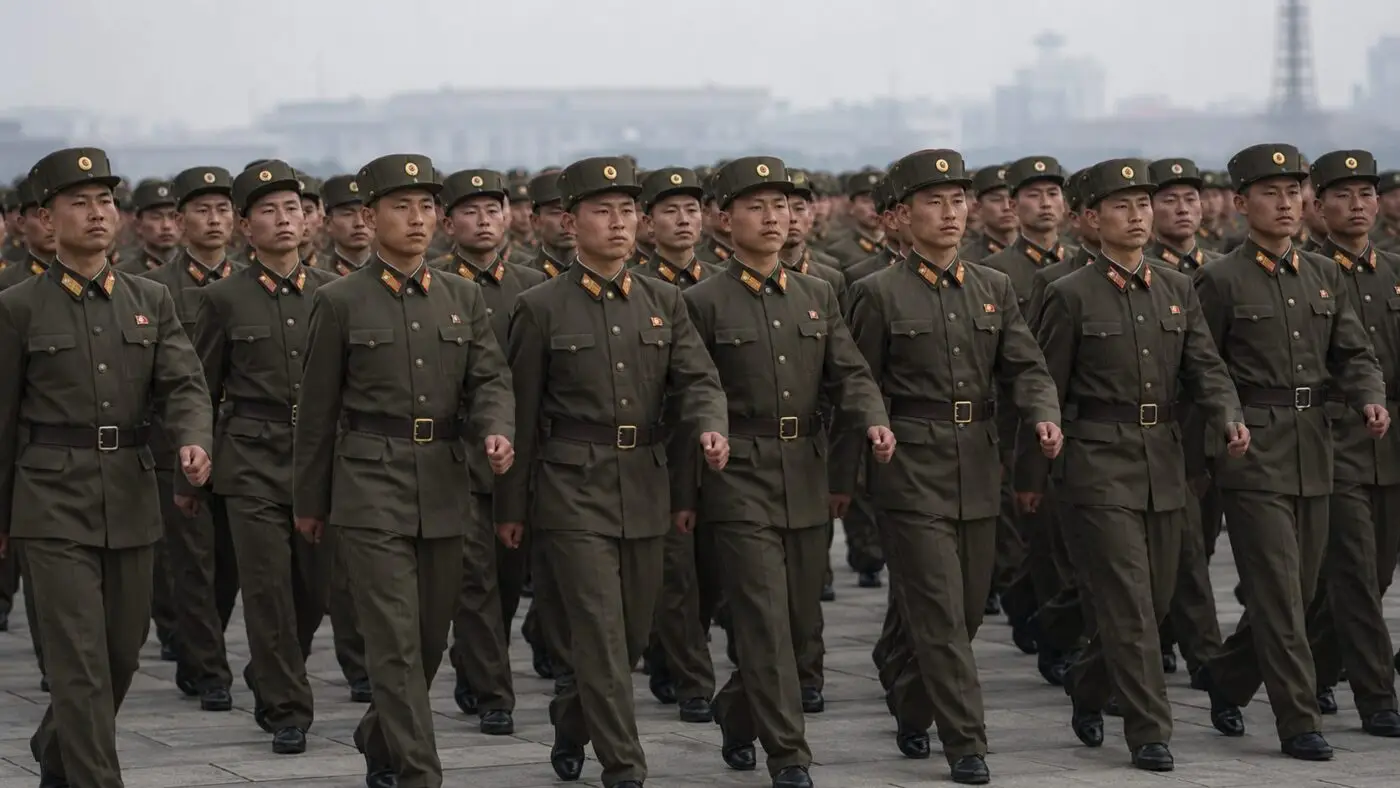
Ukrainian intelligence also indicates Pyongyang is preparing to transfer new ballistic missile launchers to Russia, Zelenskyy says.
Russia is preparing to receive as many as 30,000 additional troops from North Korea and a new shipment of ballistic missile launchers, Ukrainian President Volodymyr Zelenskyy said, citing Ukrainian intelligence.
Preparations to accommodate the North Korean personnel have been underway in Russia’s Voronezh region since June, according to Zelenskyy. He did not provide further details on when the troops might arrive or how they could be deployed.
The planned transfer, he argued, would deepen military cooperation between Moscow and Pyongyang. Russia is giving North Korea experience in the real-world use of weapons and modern warfare, he warned, potentially creating risks beyond Ukraine, including for Asian countries within range of North Korean missiles.
The Ukrainian president also said he had instructed the country’s intelligence agencies to share information with partner governments about what he described as new Russian assistance to Iran.
Ukraine has recorded increased Russian satellite surveillance of Gulf countries and U.S. military facilities in the region since the beginning of July, he said, adding that some of the imagery was later transferred to Iran.
He claimed there was a correlation between Russian satellite activity and strikes by Iranian forces, with surveillance conducted before attacks and additional imaging afterward to assess damage. According to him, Russian satellites monitored four air bases on July 19 and 20: two in Bahrain, one in Jordan and one in Kuwait.
The president did not release supporting intelligence or indicate whether partner governments had independently assessed the claims.
In the same address, he accused Russia of deliberately striking Ukrainian agricultural businesses, bread production facilities, ports and other infrastructure linked to food exports. He instructed Ukraine’s Foreign Ministry to brief international partners and organizations on the consequences of the attacks.
Continued disruption to grain exports from the Black Sea region could raise food costs in countries that depend heavily on imported grain and processed agricultural products, including Egypt and Libya, he warned. Ukraine, he added, would coordinate with international partners to protect export routes and limit the broader impact on global food security.