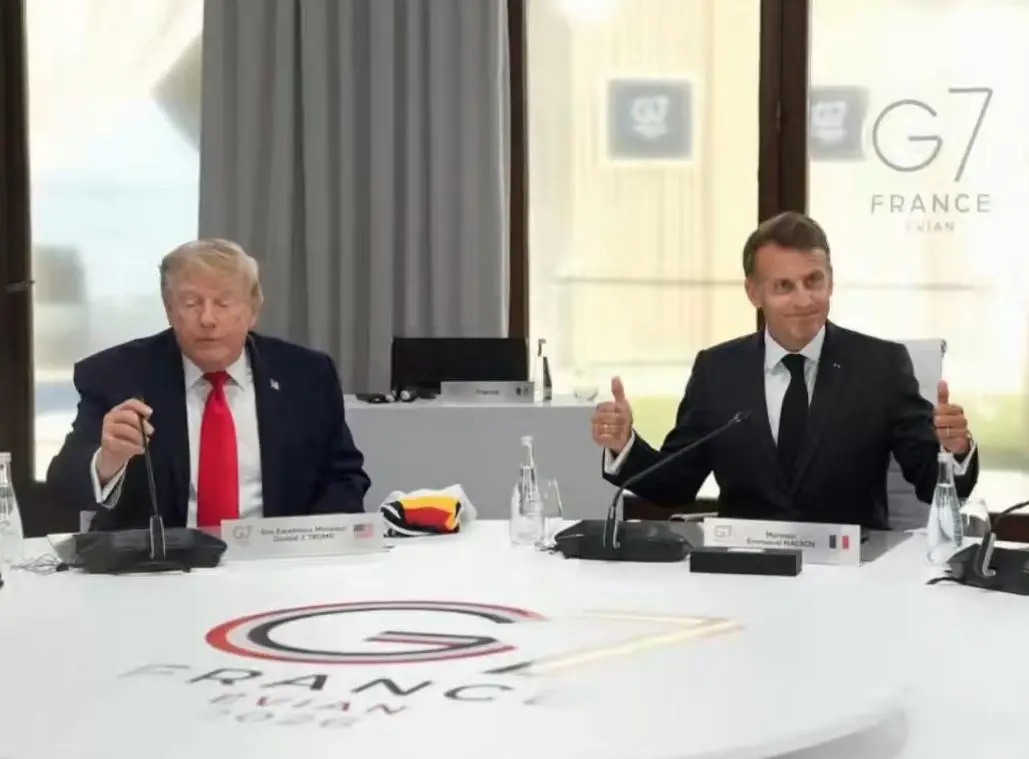
At the G7 summit, Canadian Prime Minister Mark Carney dropped a pretty blunt update. After spending a day and a half in back-to-back talks with Donald Trump, Carney told reporters that Washington’s stance on the war in Ukraine has changed. The takeaway among G7 leaders is that the U.S. position is now much more grounded in how the war is actually playing out on the ground, and what a realistic end-game looks like.
This matters because it points to a quiet but massive shift in how Washington thinks about the conflict. The focus is moving away from chasing a total, definitive victory and toward a hard conversation about what can actually be sustained over time. When your biggest ally starts preaching “realism,” it usually means they are lowering expectations behind closed doors. For Ukraine, that is an incredibly uncomfortable position to be in. It means future Western aid will likely come with tighter strings attached and a heavier focus on limits rather than open-ended support.
We also saw a shift on the military side. G7 leaders discussed letting Ukraine build its own interceptor missiles locally, while German Chancellor Friedrich Merz noted that Europe and Trump are finally getting on the same page.
Putting those two things together—building missiles inside Ukraine and political agreement at the top—shows a West that is settling in for a long, grinding war of attrition. Instead of hoping for a quick breakthrough on the front lines, the G7 is focusing on hardening Ukraine’s long-term defenses so it can stand on its own feet for the long haul.