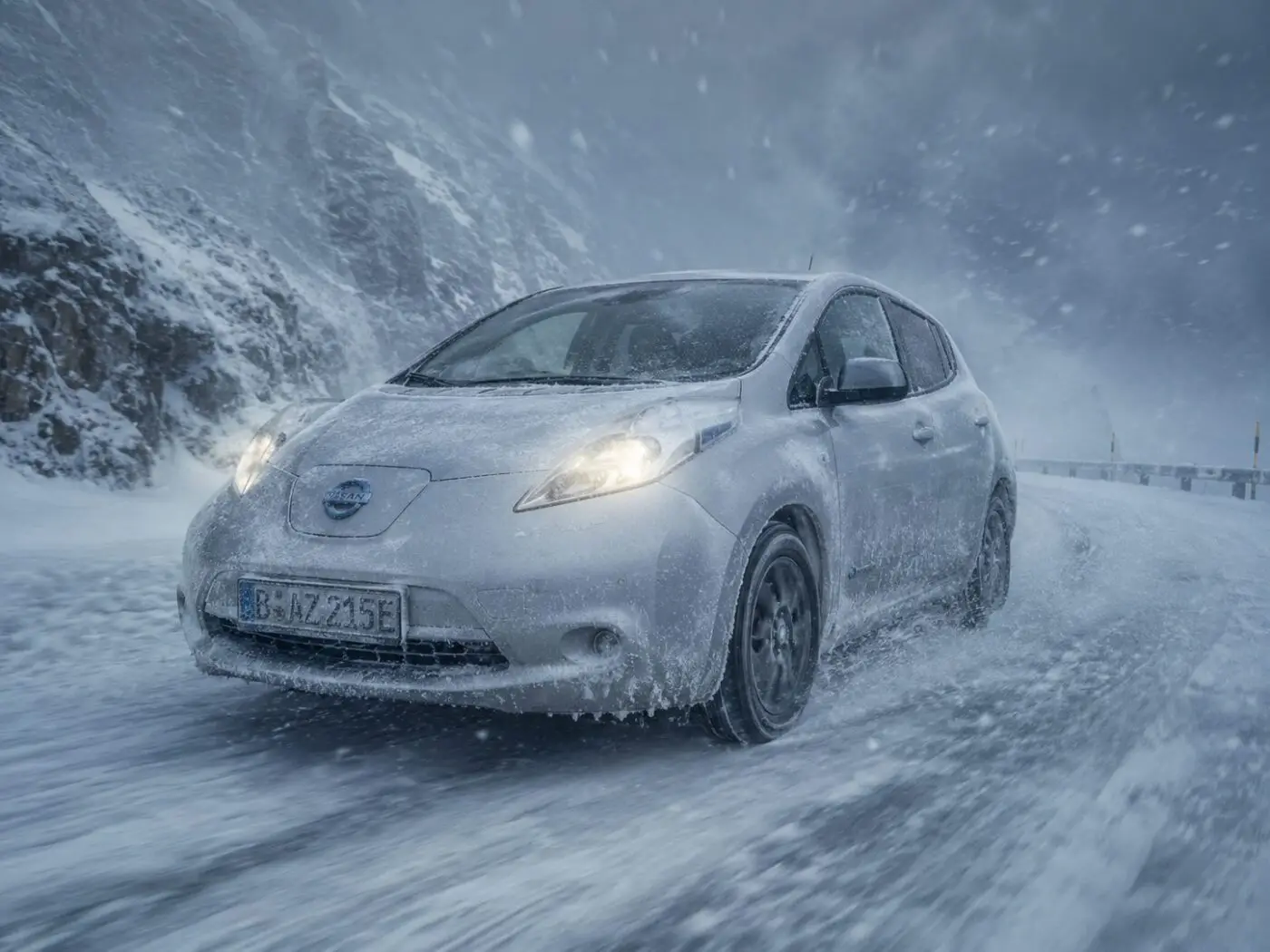
Used EV purchases climbed sharply during the first half of 2026, but Russia’s climate and limited charging infrastructure could test ageing batteries.
Quite and interesting situation is developing with Russia’s EV market. Turns out, Russia’s “used” electric vehicle market grew by almost 40% in the first half of 2026, according to figures published by the Avtostat analytical agency.
This is quite alarming given that the Kremlin has been unable to properly fix fuel-related issues in the country. Further, used electric car sales reached 7,729 vehicles between January and June. That was 39.6% more than during the same period in 2025.
The increase accelerated in June, when buyers purchased 1,743 used electric cars. Avtostat put the annual rise for that month at 64% Nissan remained the largest brand in the market, with 1,715 vehicles sold. China’s Zeekr followed with 1,240, while Volkswagen recorded 802 sales.
Tesla accounted for 702 vehicles and Audi for 623. Together, the five brands represented a large share of a market still dominated by imported models.
Interestingly, the Nissan Leaf was the most popular individual vehicle, with 1,567 sales. The Zeekr 001 ranked second with 877, followed by the Volkswagen Lavida, Audi Q2 and Moskvich 3e.
The Nissan Leaf spans several generations, with battery packs ranging from 24 to 62 kilowatt-hours. Many older Leafs use passive battery cooling, which can make battery condition more sensitive to age, climate and charging history.
The Zeekr 001 is far newer and uses a much larger battery, commonly around 100 kilowatt-hours, with active thermal management and substantially longer claimed range. The Moskvich 3e also uses a liquid-cooled battery of roughly 66 kilowatt-hours and offers more modern temperature control than early Leaf models.
The Volkswagen Lavidas and Audi Q2s belong to an older generation of electric cars with smaller batteries and shorter ranges than the Zeekr 001 or Moskvich 3e. In practice, battery health may matter more than original specifications on Russia’s used market. Cold weather, repeated rapid charging, age and long periods at a high state of charge will reduce usable capacity, while cars with active battery heating and cooling should cope better with temperature extremes.
It is important to note that replacing these batteries can cost as much as a brand new gasoline/diesel vehicle. So there’s a lot of uncertainty regarding the reliability of EVs in Russia.
Russia used electric car sales rise during fuel disruption
The figures appeared as Russian authorities struggled with fuel shortages linked to repeated Ukrainian attacks on oil refineries.
Russian officials have acknowledged supply problems in several regions. The government has restricted fuel exports and allowed refineries to produce Euro-3 petrol and diesel instead of the newer Euro-5 standard.
Russian authorities have not actually announced that electric vehicles will replace petrol cars or solve the shortage. Instead, the sales figures describe consumer purchases, not a coordinated Kremlin transport policy. Though, it does deliver quite an image of how the Russian public thinks.
Still, the growth offers an alternative for some drivers at a time when fuel availability and quality have become less predictable. It also exposes a different set of risks.
Euro-3 fuel contains more Sulphur than Euro-5. Its temporary return increases pollution and may create concerns for owners of newer vehicles designed around stricter fuel and emissions standards, especially to vehicles equipped with DPF.
We never saw any proper transparency from Kremlin, perhaps they produced Euro 2 fuel too. It’s hard to verify these things, as Kremlin has a long track record of lying.
The Cold Weather Aspect.
Used electric cars face particular challenges in Russia’s colder regions. Low temperatures reduce available battery power, increase charging times and raise the amount of energy needed to heat the cabin. People in Alaska, for instance, report all sort of issues, ranging with dead batteries, to batteries not accepting charge, after brutally cold winters.
Cold weather often causes a temporary loss of driving range rather than immediate permanent damage. However, charging a very cold lithium-ion battery at high power can contribute to lithium plating, which will contribute to capacity loss. Preheating the battery before driving or charging can reduce the strain.
That issue matters in a market led by the Nissan Leaf, including older versions that may have limited battery temperature control. Buyers can face high replacement costs when a used battery has already lost a substantial share of its original capacity.
The sales increase therefore does not show that electric vehicles have resolved Russia’s transport problems. It shows that more drivers are entering the used EV market while the Russian government fails to properly respond to refinery damage with export restrictions, imports and lower fuel standards.
Because the Kremlin has shown inability to reliability solve the fuel issues in Russia, odds are, the price for electricity will likely boom given the larger userbase of electric vehicles in Russia. But, time will show.
-
 Why Democracies Repeat the Cycles That Bring Them Down
 -
 Ukraine Targets Critical Parts of Russian Oil Refineries
 -
 Used Electric Car Sales in Russia Rise Nearly 40% In 2026
 -
 Ukraine says drones hit Russian refineries and Wildberries site in Ryazan.
 -
 Russian Military Outlet Calls for Nationwide Air Defense Overhaul Amid Drone Threat