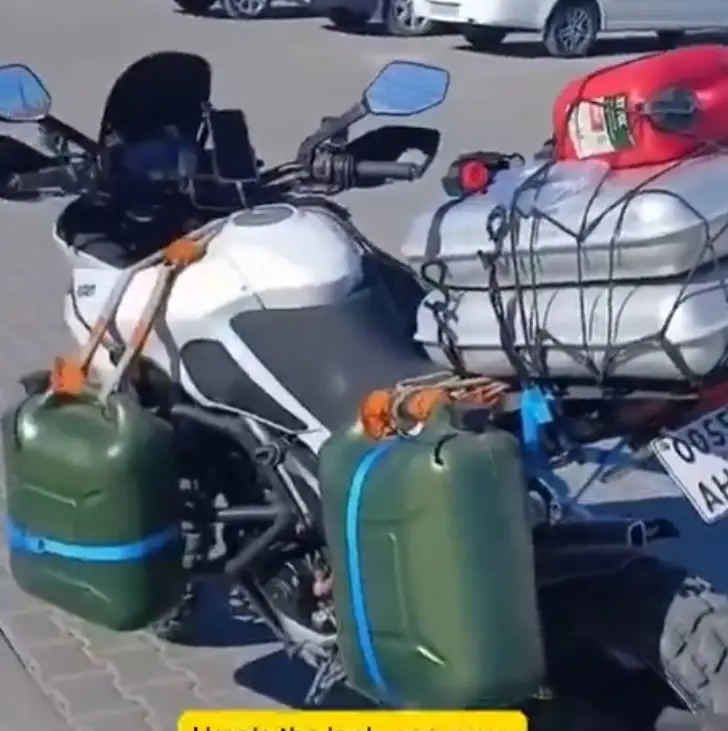
Russia is taking the unusual step of exploring gasoline imports from abroad in an effort to calm mounting pressure on its domestic fuel market. Kremlin spokesman Dmitry Peskov confirmed on Tuesday that negotiations with several countries are currently underway. He stated that if pricing terms prove acceptable, the imports would proceed, describing this as a necessary move to ease market instability and temper surging consumer demand.
This is a pretty significant move for Russia, because they have not really bought fuel in large amounts from other countries since the 1990s. Back then, right after the Soviet Union fell apart, they were bringing in more than two million tons every year. In the years since, any imports that did happen were few and far between, and they were mostly limited to higher quality premium grade gasoline rather than the regular stuff they need now.
Peskov added that a broader package of stabilization measures is being examined by a government commission led by Deputy Prime Minister Alexander Novak. This follows a Sunday meeting chaired by President Vladimir Putin. When pressed on reports about possible reductions in fuel quality standards, Peskov declined to comment and referred such questions to the government.
He also refused to identify which countries Russia is in talks with, citing understandable reasons for discretion. According to UN data, the last significant import volumes date back over thirty years.
The urgency of the situation is driven in part by Ukrainian drone strikes that have hit several refineries, causing a reported 25 percent drop in gasoline output. In response, fuel rationing has been introduced across Russian regions and in annexed Crimea, just as summer travel and agricultural activity reach their peak.
Deputy Prime Minister Novak has described imports as one of the key tools to address the shortfall, and recent legislative moves in the State Duma have created subsidy mechanisms to facilitate such purchases. President Putin acknowledged over the weekend that reserves have fallen by about 4 percent compared to last year, underscoring the scale of the challenge.
-
 Russian Military Outlet Calls for Nationwide Air Defense Overhaul Amid Drone Threat
 -
 Ukraine Claims More Than 200 Russian 'Shadow Fleet' Vessels Hit in Kerch Strait Operation
 -
 U.S. Senate Moves Forward With New Russia and Iran Sanctions Bill
 -
 Ukraine Strikes $500 Million Russian S-400 System in Crimea
 -
 Zelenskyy Says Russia Is Preparing to Receive 30,000 More North Korean Troops