The proposal would target major buyers of Russian energy, sanctions evasion networks, banks, officials and Iran’s energy and weapons sectors.
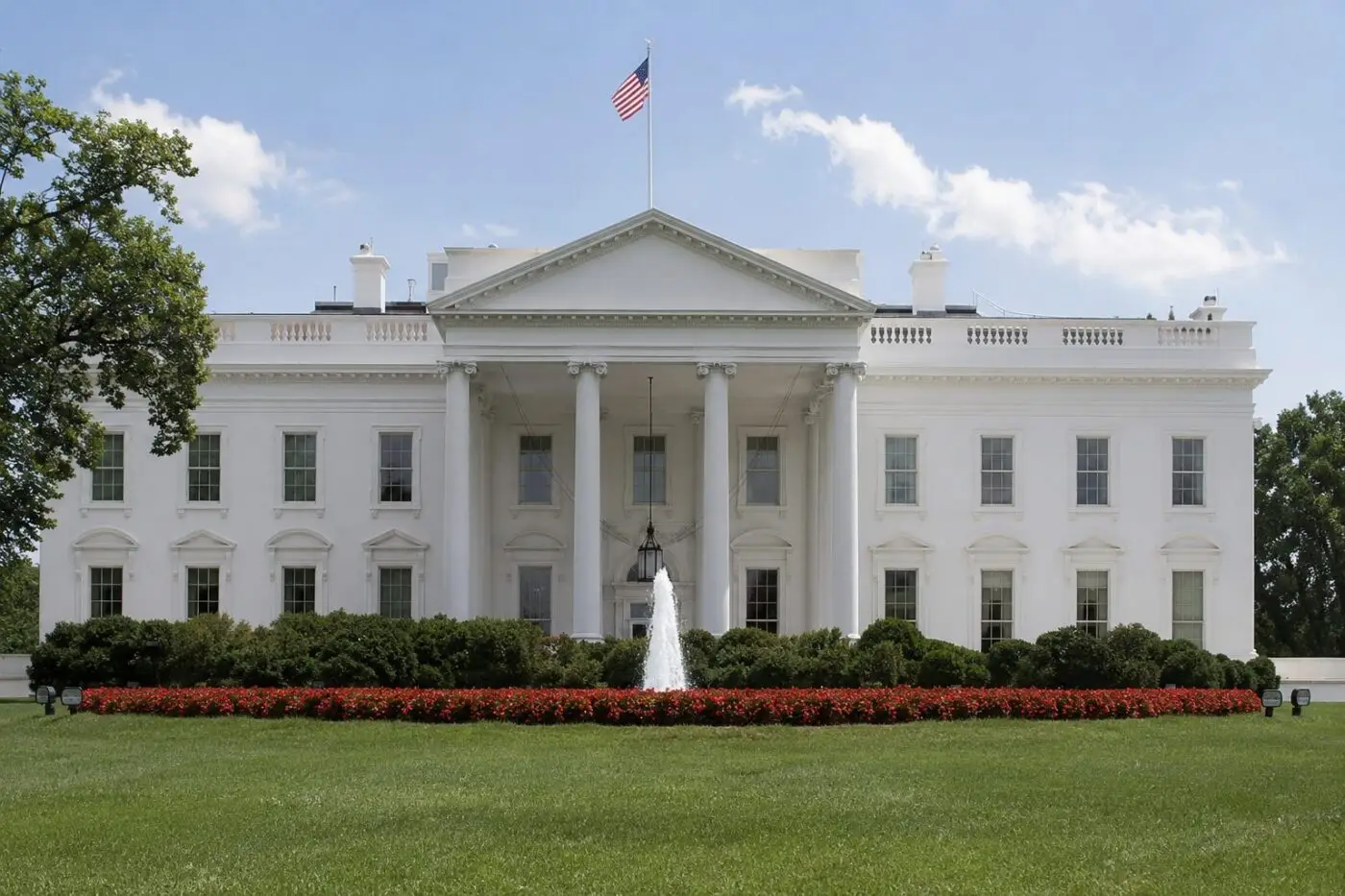
U.S. senators from both parties have reached an agreement on a new sanctions bill aimed at cutting the money Russia earns from energy exports and tightening pressure on Iran.
The Senate is expected to hold a procedural vote on July 28. If approved, the bill would give President Donald Trump authority to impose tariffs and other restrictions on the five largest buyers of Russian crude oil and natural gas. It would also target five countries believed to be helping Moscow avoid existing energy sanctions.
The measures would go beyond energy buyers. Russian government officials, oligarchs, banks, financial institutions and vessels linked to the country’s so-called shadow fleet could also face penalties. That shadow fleet is widely used to move Russian oil through companies and ships designed to hide ownership, routes or links to sanctioned entities.
The bill does not set one fixed tariff rate. Instead, it gives the president power to decide the size and timing of any tariffs imposed on major importers. China and India could be among the countries most affected because they remain leading buyers of Russian energy, raising the risk of further trade tensions with Washington.
The legislation also extends sanctions on Iran’s energy and weapons sectors until 2031. It is believed that this would limit Tehran’s access to funds used for military programs, regional armed groups and nuclear development. For one, Iran uses that money to buy weapons from Russia, all of which would also impact Russia’s revenue from their own exports.
As of now, more than 60 senators support the bill, making Senate passage likely. However, the House is on recess until the end of August, so the measure may not reach the president’s desk before September or so.
-
 Russian Military Outlet Calls for Nationwide Air Defense Overhaul Amid Drone Threat
 -
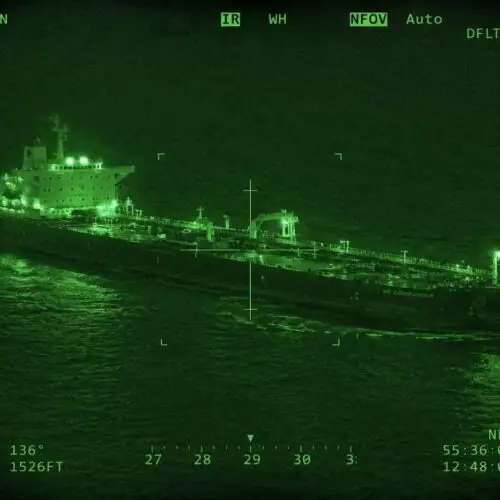 Ukraine Claims More Than 200 Russian 'Shadow Fleet' Vessels Hit in Kerch Strait Operation
 -
 U.S. Senate Moves Forward With New Russia and Iran Sanctions Bill
 -
 Ukraine Strikes $500 Million Russian S-400 System in Crimea
 -
 Zelenskyy Says Russia Is Preparing to Receive 30,000 More North Korean Troops