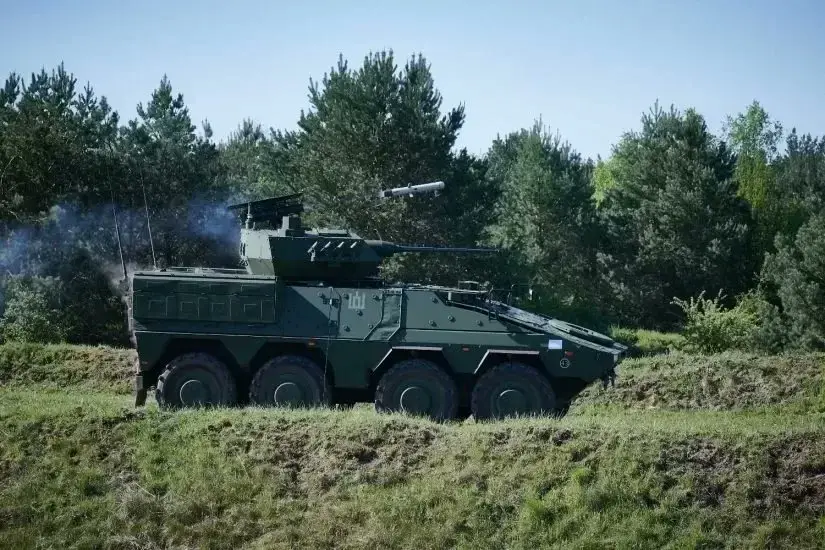
NATO is reinforcing its eastern flank as Lithuania hosts “Freedom Shield I,” a major military exercise involving nearly 2,900 troops, mostly German. The training simulates defence against a potential Russian attack and runs for roughly six weeks.
Germany has taken the unprecedented step of permanently stationing an armoured brigade in Lithuania, expected to reach full capability by 2027. Most troops will be based in Rūdninkai, strategically located near the Suwałki Gap and just 15 kilometres from Belarus.
Rear Admiral Giedrius Premeneckas, Lithuania’s Chief of the Defence Staff, told Euronews that deterrence is the strongest defence. Russia, he said, never attacks a country that appears prepared and strong, instead looking for weak points. Lithuania must remain ready at all times.
The country’s security outlook is shaped by its history of Soviet occupation, with lasting trauma from mass deportations and repression. Public sentiment toward the German deployment is positive, with locals expressing gratitude for the sense of security it brings.
NATO intelligence warns that Moscow is rebuilding its military capabilities following the war in Ukraine. The alliance views reinforcing the eastern flank as urgent to prevent future aggression against its territory.
-
 Russian Military Outlet Calls for Nationwide Air Defense Overhaul Amid Drone Threat
 -
 Ukraine Claims More Than 200 Russian 'Shadow Fleet' Vessels Hit in Kerch Strait Operation
 -
 U.S. Senate Moves Forward With New Russia and Iran Sanctions Bill
 -
 Ukraine Strikes $500 Million Russian S-400 System in Crimea
 -
 Zelenskyy Says Russia Is Preparing to Receive 30,000 More North Korean Troops